



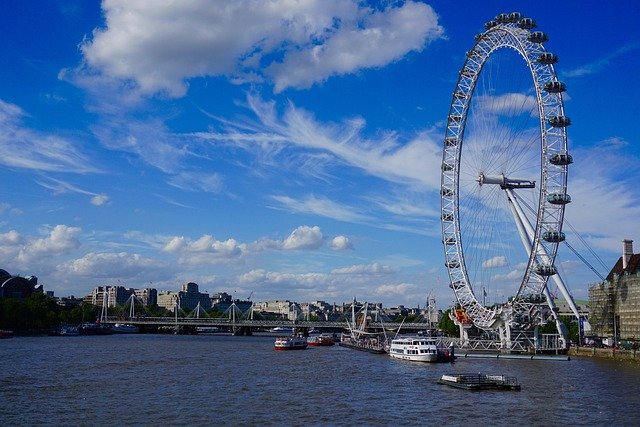
Most guides to things to do in London this weekend are out of date by Tuesday. This one isn’t, because it’s built the other way round: a short, genuinely current listings section at the top, and beneath it the things that are true whichever weekend you’ve landed on — the free museums, the Roman ruins under the City, the Sunday roast timings, the viewpoints that cost nothing, the pub that’s been pouring since before the Great Fire.
So whether you’re reading this on a wet January Friday or a bright weekend in July, the answer to what’s on in London this weekend starts here. The capital has roughly 2,000 years of history, more than 170 museums, and eight Royal Parks — enough that the real problem isn’t finding something to do, it’s choosing. This guide is organised to help visitors and Londoners alike do exactly that.
What’s On in London Right Now
This is the only part of this page that changes. Four current picks, refreshed regularly — the latest exhibitions, upcoming events and shows worth building a weekend around.
| Event | Venue | Dates | Why go |
| Summer Exhibition 2026 | Royal Academy, Piccadilly | Until 23 August | The world’s largest open-submission show, hung floor to ceiling, and almost everything is for sale. Ticketed, around £23.50. Saturday slots go first. |
| Oh, Mary! | Trafalgar Theatre | Limited run — check current dates | The award-winning comedy about Mary Todd Lincoln in the weeks before the assassination, with writer-star Cole Escola in the production for a limited period. Sharp, very silly, and day seats are released each morning. |
| Steel Scenes | Southbank Centre | Fri 24–Sun 26 July | A weekend takeover marking 75 years of the steel pan in the UK — youth ensembles, UK steel bands and new commissions across the Royal Festival Hall, Riverside Terrace and Jubilee Gardens. Mostly free. |
| HYPER JAPAN 2026 | Olympia, Hammersmith | Fri 24–Sun 26 July | The UK’s biggest celebration of Japanese culture: 350-plus exhibitors, a sake street, J-pop, and workshops in manga drawing, sushi and tea ceremony. Ticketed, one weekend only. |
Also free this weekend: the Certain Blacks Ensemble Festival brings open-air circus, dance and theatre to Royal Victoria Docks (25–26 July); the London Canal Museum’s Ice Weekend opens up a 42-foot Victorian ice well in King’s Cross; and Carshalton Lavender throws open its allotment for pick-your-own — bring your own scissors.
Where to check the live calendar yourself: the Southbank Centre, Barbican and Royal Academy publish full listings a season ahead; Time Out and Londonist cover the smaller one-offs; and most West End theatres post day-seat rules on their own sites rather than the ticket resellers’.
Saturday or Sunday? How to Split Your Weekend
Here’s the thing almost no guide tells visitors: London is two different cities on Saturday and Sunday. Get this right and you’ll fit twice as much in. Get it wrong and you’ll arrive at a shut market or miss a roast by twenty minutes.
| Saturday | Sunday | |
| Markets | Portobello antiques, Broadway Market, Brixton — full swing | Columbia Road Flower Market, Brick Lane, Spitalfields — the best market day of the week |
| Museums & galleries | Standard hours, busiest 11am–3pm | Often close an hour earlier — check before travelling |
| Theatre | Matinee and evening performances | Very few evening shows; matinees only, if at all |
| Eating | Brunch until mid-afternoon | The Sunday roast is the main event, noon–4pm |
| Shops | Normal hours | Restricted by law — large shops get six hours only, typically 11am/12pm–5pm/6pm |
| Transport | Busy; engineering works common | Quieter; more line closures, later start to service |
| Pubs | Late licences | Many close earlier, often 10.30pm |
The optimal split: Saturday for anything ticketed, anything indoors and anything in the West End — that’s when the city is fully open. Sunday for markets, parks, long lunches and walks, because that’s what Sunday London does best and because the transport is calmer.
What London Does Best on a Saturday
Saturday is the day to spend money and see things. Every theatre runs two performances, the big attractions are open full hours, and the shopping streets — Oxford Street, Regent Street, Covent Garden — are unrestricted. It’s also the only day for a handful of genuinely good markets: Broadway Market in Hackney runs every Saturday, roughly 9am to 5pm, and is the one Londoners actually use. Portobello Road’s antiques dealers are Saturday-only too; the rest of the week it’s a much thinner street.
Book the ticketed things for Saturday. Sky Garden slots, Churchill War Rooms, any special exhibition — Saturday is when demand peaks, so it’s also when you must book furthest ahead.
What London Does Best on a Sunday
Sunday is the better day, and it’s cheaper. Columbia Road Flower Market is Sunday-only, roughly 8am to 3pm, and worth the early alarm — by 10am you’re shoulder to shoulder. Brick Lane and Spitalfields peak the same morning, and the three are a fifteen-minute walk apart, which makes for one of the best free mornings in London.
Then a roast, then a park. That’s the whole plan and it’s a good one. Just remember two Sunday rules: large shops are legally limited to six hours’ trading, and pub kitchens stop serving roasts by mid-afternoon.
World-Class Museums and Exhibitions
Start with the fact that surprises every first-time visitor: the permanent collections at London’s major national museums are free to enter. Not discounted — free, no ticket, walk in. Only the special exhibitions are paid, and you can have an extraordinary day without buying a single one.
The Free Big Five
- The British Museum (Bloomsbury) — the Rosetta Stone, the Parthenon sculptures, the Sutton Hoo helmet. Consistently the UK’s most-visited attraction, drawing around six million people a year, which tells you everything about when not to arrive. Go at opening or after 3pm.
- The National Gallery (Trafalgar Square) — Van Gogh’s Sunflowers, Turner, Vermeer, Caravaggio. Central, free, and the single best rainy-hour option in Zone 1.
- The V&A (South Kensington) — decorative arts, fashion, the cast courts. The most beautiful building of the five, and the café is a genuine Victorian room rather than a canteen.
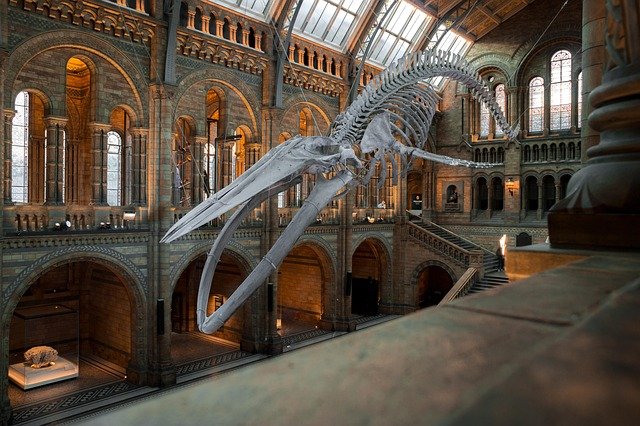
- The Natural History Museum (South Kensington) — Hintze Hall’s blue whale skeleton, the earthquake room, the dinosaurs. Also the most child-heavy museum in London on a weekend; arrive at opening or accept the queue.
- Tate Modern (Bankside) — the Turbine Hall installation changes and is always worth seeing. Free viewing terrace on level 10 of the Blavatnik Building, which most visitors walk straight past.
Smaller Museums Worth the Detour
- Sir John Soane’s Museum (Lincoln’s Inn Fields) — an architect’s house left exactly as he arranged it in 1837. Free, tiny, and capacity-limited, so expect a short wait.
- The Wallace Collection (Marylebone) — a townhouse of Old Masters and armour. Free, and reliably the emptiest world-class collection in central London.
- Dennis Severs’ House (Spitalfields) — a candlelit, silent, immersive 18th-century house. Ticketed, unusual opening hours, unlike anything else in the city.
- The Wellcome Collection (Euston Road) — medicine, bodies and the strange edges of science. Free, excellent café, near three stations.
Booking, Timing and Queues
Free entry doesn’t always mean no booking. Some museums still run timed entry for the busiest weekend slots, and special exhibitions sell out weeks ahead for Saturdays.
Three rules that hold year-round:
- Arrive within thirty minutes of opening, or after 3pm. The 11am–3pm block is the crush.
- Book special exhibitions for Saturday morning, and book them the week before.
- Bags are searched at the majors. Travel light and skip the cloakroom queue.
Crowd levels by arrival time (major free museums, typical weekend)
| Arrival | Crowd level | |
| 10.00–10.30 | Low | ▓▓░░░░░░░░ |
| 10.30–11.30 | Moderate | ▓▓▓▓▓░░░░░ |
| 11.30–15.00 | Heavy | ▓▓▓▓▓▓▓▓▓▓ |
| 15.00–16.30 | Moderate | ▓▓▓▓▓░░░░░ |
| Last hour | Low | ▓▓░░░░░░░░ |
Theatre, the West End and Live Entertainment
Theatre is the thing London does better than anywhere, and the weekend is when you have the most choice — Saturday gives you both a matinee and an evening show. Full price is optional, though, and knowing that is worth a hundred pounds a weekend.
Getting West End Tickets Without Paying Full Price
Cheap West End tickets come from four places: the TKTS booth, day seats, digital lotteries, and returns. The booth in Leicester Square is the official one run by the theatre industry itself, selling same-day and next-day seats at a discount; the many lookalike “half price ticket” shops nearby are not it. Day seats are a small allocation released by the theatre each morning at box-office opening, usually cheap and usually front-row. Lotteries run through show apps and TodayTix, entered the day before. Returns appear online in the final hours before curtain.
Step by step, for a Saturday show:
- The week before — check the show’s own site for its day-seat policy. Every theatre words it differently and the resellers won’t tell you.
- Thursday — enter any digital lottery for the performance you want.
- Saturday, at box-office opening — arrive in person for day seats. Popular shows draw a queue an hour before; most don’t.
- Late morning — if that failed, walk to the TKTS booth in Leicester Square for same-day discounts.
- Two hours before curtain — refresh the theatre’s own website for returns.
Actionable takeaway: never buy from a street tout, and never from a site that isn’t the theatre’s own or an official agent. If a price seems oddly high, you’re on a resale site.
Beyond the West End
The best theatre in London often isn’t in the West End. Shakespeare’s Globe on Bankside sells standing tickets in the yard for the price of a pint — the single best-value cultural ticket in the city, weather permitting. The Bridge Theatre by Tower Bridge, the Almeida in Islington, the Donmar in Covent Garden and the Royal Court in Sloane Square all programme new work, all seat under 800, and all release cheap Monday or standing tickets.
Jazz Clubs and Live Music
Ronnie Scott’s in Soho is the iconic one — late sets on weekends, book ahead. The Jazz Café in Camden runs a broader programme than the name suggests. The Vortex in Dalston is where the serious listeners go, and the 606 Club in Chelsea is a proper basement institution, though it operates a members-and-diners rule at weekends, so check before you turn up.
Views, Climbs and Iconic Landmarks
You do not need to pay for a view of London. Some of the best ones are free, and two of them are better than the paid observation decks.
Free Viewpoints
- Sky Garden (20 Fenchurch Street) — a three-storey glass conservatory on top of the Walkie Talkie. Free, but booking opens a few weeks ahead and weekend slots go within hours.
- Horizon 22 (22 Bishopsgate) — currently the highest free viewpoint in Europe, and higher than the paid decks nearby. Free, timed booking.
- One New Change roof terrace (St Paul’s) — no booking, no ticket, and the closest you’ll get to St Paul’s dome at eye level.
- Primrose Hill — the classic skyline postcard, twenty minutes’ walk from Camden.
- Greenwich Park — the view from the Observatory back over Canary Wharf, with the Royal Naval College in the foreground.
Climbs Worth Booking
- St Paul’s Cathedral dome — 528 steps to the Golden Gallery, and the best reward-per-step in London. Cathedral entry is ticketed.
- The Monument — 311 steps up Wren’s column to the Great Fire viewing platform. Cheap, central, quick.
- Tower Bridge — the high-level walkways and glass floor, looking straight down at the road and river.
- Up at The O2 — a guided climb over the roof of the dome on a fabric walkway. The most expensive of these and the most unusual.
The Landmarks, Efficiently
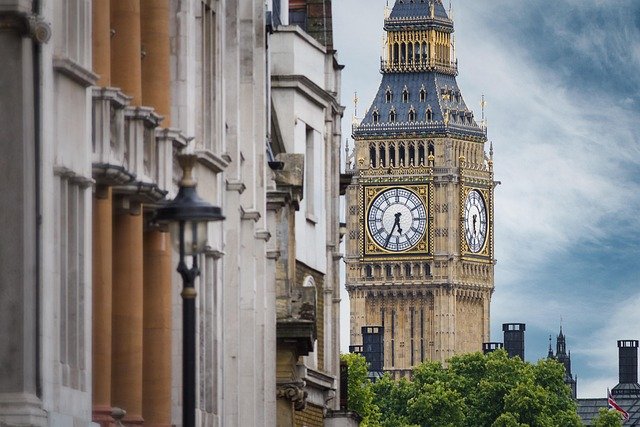
The big-ticket sights cluster tightly, which is the one gift London geography gives visitors. Westminster to Tower Bridge is a single riverside walk — Big Ben, the Abbey, the London Eye, the South Bank, the Tate, the Globe, Borough Market, the Shard, HMS Belfast and the Tower, in that order, in about two hours at a stroll. Do it on Sunday morning and you’ll share it with joggers instead of crowds.
Secret London: The Bits Most Visitors Miss
Now the good part. London hides its best history at basement level, and most of it is free. This is the section to use if you’ve done the landmarks and want the city Londoners are quietly smug about.
Ancient and Roman London
The City of London is built on Roman Londinium, and you can still visit it.
- The London Mithraeum (Bloomberg Space, Walbrook) — a reconstructed 3rd-century temple to Mithras, seven metres below street level, with a sound-and-light reconstruction. Free; book a slot.
- Guildhall’s Roman amphitheatre — the remains of London’s arena, in a dim basement beneath the Guildhall Art Gallery, its outline traced in fibre-optic light. Free. Occasionally closed for events.
- The London Wall — visible in fragments near Tower Hill and Barbican, Roman at the base and medieval above.
- Billingsgate Roman House and Baths (Lower Thames Street) — a genuine Roman bathhouse under an office block, with very limited opening. Check before going.
Wartime London
- Churchill War Rooms — the underground cabinet rooms, left as they were in 1945. Ticketed, extremely popular, book ahead.
- Hidden London tours — the London Transport Museum runs tours of disused Tube stations and the deep-level shelter at Clapham South, tunnels built to hold 8,000 people during the Blitz. Tickets are released in batches and sell out fast.
- The V&A’s scarred facade — the Exhibition Road wall was left pitted by WWII bomb damage on purpose, with a plaque explaining why. Almost everyone walks past it.
- St Dunstan-in-the-East — a City church bombed in 1941, now a public garden growing through the ruins. Free, quiet, and the best twenty-minute detour in the Square Mile.
Cemeteries, Cobbled Streets and the Oldest Corners
- Highgate Cemetery — Victorian gothic at its most theatrical, with Marx and George Eliot in the East side and the Egyptian Avenue in the West. Ticketed; the West side is best seen on a guided tour.
- The Magnificent Seven — Highgate’s six siblings, all opened in the 1830s–40s: Kensal Green, West Norwood, Abney Park, Nunhead, Brompton and Tower Hamlets. Free, atmospheric, and empty.
- Wilton’s Music Hall (Wapping) — the oldest surviving grand music hall in the world, saved from demolition and deliberately left un-restored. Shows, tours and a bar in the old Mahogany Room.
- Postman’s Park (near St Paul’s) — a tiny courtyard of ceramic tablets memorialising ordinary people who died saving others. Free. Quietly devastating.
- Cobbled corners worth finding — Goodwin’s Court off St Martin’s Lane, Cecil Court’s booksellers, Shepherd Market in Mayfair, and Pickering Place off St James’s, London’s smallest public square.
Which is the oldest pub in London? Nobody can settle it, because the honest answer depends on what you mean. The Hoop and Grapes on Aldgate High Street occupies a timber-framed building that survived the Great Fire of 1666. Ye Olde Cheshire Cheese on Fleet Street was rebuilt immediately after it. The Lamb and Flag in Covent Garden and The Seven Stars on Carey Street both claim continuous trade from the 1600s. Sites in Clerkenwell and Hampstead claim older origins still on much-rebuilt premises. The distinction that matters: oldest licence, oldest building, or oldest continuous business — no single pub wins all three.
Neighbourhoods to Spend an Afternoon In
The most common mistake visitors make is treating London as one place and criss-crossing it on the Tube. Pick one neighbourhood per half-day and walk it. You’ll see more and spend less.
Soho and the Centre
Soho is small, dense and best on foot: Berwick Street’s record shops, Bar Italia, the Chinatown gates, the theatres on Shaftesbury Avenue. Walk east into Seven Dials and Covent Garden, or north into Fitzrovia for quieter pubs. This is the one part of London where wandering without a plan genuinely works, and it’s the natural base for a theatre evening.
East London
Shoreditch and Spitalfields on a Sunday are the city at its liveliest — Brick Lane’s bagels and vintage, Spitalfields’ covered market, Columbia Road’s flowers, and street art that changes month to month. Continue east into Hackney for Broadway Market on Saturdays, or south to Wapping for cobbled riverside and Wilton’s.
West London
Notting Hill is at its best on Saturday, when Portobello’s antiques dealers are out; the pastel streets north of Westbourne Grove are quieter any day. Little Venice is the surprise — canal boats, waterside cafés, and a towpath walk to Camden that most visitors never hear about. Chiswick and its riverside pubs feel like a village that happens to sit inside Zone 3.
The Village Corners
London swallowed a ring of villages and they never quite stopped being villages. Hampstead for the Heath, Kenwood House and steep lanes. Greenwich for the market, the Observatory and the park. Richmond for deer, riverside pubs and the largest of the Royal Parks. Dulwich for a superb small picture gallery and almost no tourists. Each is a self-contained afternoon.
Where to Eat: Brunch, Roasts and Afternoon Tea
Weekend eating in London splits neatly into three rituals. All three are worth doing once, and two of them need booking.
Weekend Brunch
Brunch runs late here — most kitchens serve until 3pm or later, and Saturday is the bigger day for it. The reliable formula: a bakery-café in a residential neighbourhood beats a restaurant in a tourist one. Try the bakeries of Hackney and Peckham, the Middle Eastern brunch places around Marylebone and Islington, or the market stalls at Borough and Maltby Street, where standing up with a coffee costs a third of sitting down.
- £ — market stalls, bakeries, greasy-spoon cafés. Walk in.
- ££ — neighbourhood brunch restaurants. Book, or expect 30–45 minutes at 11am on a Saturday.
- £££ — hotel brunches and bottomless sittings. Book a week ahead.
The Sunday Roast
This is the one unmissable London meal, and the mistake is treating it as lunch you can decide on at noon. Sunday roast is typically served from midday until around 4pm, and the good pubs are fully booked by Thursday. Once the beef runs out, it’s gone.
How to get a good one:
- Book by Thursday for Sunday. Wednesday for the well-known places.
- Aim for 1pm or 3pm. The 12.30–1.30 sitting is the scrum.
- Choose a pub with a named kitchen, not a chain carvery — look for a short, changing menu and a specified butcher.
- Ask what’s left when you book. Beef sells out first, then chicken; the vegetarian option almost never does.
- Order one Yorkshire pudding per person and a side of greens for the table. Not everywhere includes both.
Neighbourhoods that do it best: Hampstead and Highgate, Chiswick and Barnes, Bermondsey, Stoke Newington, and the riverside pubs at Richmond.
Afternoon Tea, Splurge and Otherwise
Afternoon tea sits somewhere between a meal and an attraction, and prices span an enormous range. The grand hotel version — Claridge’s, the Ritz, the Savoy, Fortnum’s; is a genuine occasion, needs booking weeks ahead, has a dress code, and costs accordingly. The mid-range version at a department store or a good bakery delivers eighty per cent of the pleasure for a third of the price. And a complimentary glass of something is standard at the upper end, so ask rather than paying to add it.
Actionable takeaway: if you only book one meal this weekend, book the roast. Afternoon tea can be had at short notice almost anywhere; a good Sunday roast cannot.
Pubs, Bars and Late Openings
Historic Pubs
A handful of London pubs are destinations in themselves, and they’re open at weekends when some of the City’s older ones aren’t:
- The Prospect of Whitby (Wapping) — claims the oldest riverside pub site in London, with a flagstone floor and a Thames terrace.
- The Spaniards Inn (Hampstead) — 16th-century, low beams, a garden, and the perfect end to a Heath walk.
- The Mayflower (Rotherhithe) — where the Pilgrims’ ship moored before sailing. Small, wooden, riverside.
- The Dove (Hammersmith) — one of the smallest bar rooms in Britain and a terrace over the river.
- Ye Olde Cheshire Cheese (Fleet Street) — a warren of sawdust rooms rebuilt in 1667. Historically shut at weekends, so check the day before.
Cocktail Bars
London does cocktails seriously, from the classic hotel bars; the American Bar at the Savoy, the Connaught, Dukes; to the small Soho and Shoreditch rooms that regularly place on world best-bar lists. Two practical notes: the best small bars take walk-ins early and get impossible after 8pm, and hotel bars often have a dress code even when they don’t advertise one. Craft beer, if you’d rather: the Bermondsey Beer Mile is a chain of railway-arch taprooms, busiest on Saturday afternoons.
What’s Actually Open Late
London is not a late city by law, and Sunday closes early. Standard closing is 11pm, many Sunday licences end at 10.30pm, and only specific venues go later. What genuinely runs late at weekends: Soho and Shoreditch bars with late licences, Ronnie Scott’s second sets, 24-hour cafés around King’s Cross and Bayswater, and the Night Tube on selected lines on Friday and Saturday nights. If you want a late Sunday, plan it around a members’ club, a hotel bar, or a cinema; not a pub.
Parks, Gardens and Escaping the City
The Royal Parks
Eight Royal Parks cover roughly 5,000 acres of London, and they are free. Hyde Park and Kensington Gardens together give you the Serpentine, two galleries and Kensington Palace. Regent’s Park has the best formal gardens and the open-air theatre in summer. Greenwich Park has the view. Richmond Park has 600-odd free-roaming deer and feels genuinely wild. St James’s Park has the pelicans and the best sightline to Buckingham Palace.
Gardens and Green Detours
- Kew Gardens — a UNESCO World Heritage site and the most rewarding ticketed garden in Britain. A half-day minimum.
- The Kyoto Garden, Holland Park — a small Japanese garden with a waterfall and confident peacocks. Free.
- Chelsea Physic Garden — London’s oldest botanic garden, walled and hidden. Ticketed, with seasonal opening days.
- The Barbican Conservatory — a tropical glasshouse inside a Brutalist arts centre, free but open only on limited days. Check the schedule.
- Hampstead Heath — not a park but a wild 800 acres, with the swimming ponds and the Parliament Hill skyline view.
Out of London in Under an Hour
Sometimes the best thing to do in London this weekend is to leave it. All of these are an hour or less from a central terminus by train, no car required:
| Destination | From | Journey | Good for |
| Hampton Court Palace | Waterloo | ~35 min | Tudor palace, maze, riverside |
| St Albans | St Pancras | ~20 min | Roman ruins, cathedral, market |
| Windsor | Waterloo / Paddington | ~30–55 min | Castle, Great Park, Eton |
| Brighton | Victoria / London Bridge | ~1 hr | Sea, Lanes, Pavilion |
| The Chilterns | Marylebone / Metropolitan line | ~40–55 min | Beech woods, walking, pubs |
| Whitstable | Victoria / St Pancras | ~1 hr 20 | Oysters, shingle beach, harbour |
If you do have a car, the Chilterns and the Surrey Hills are the easy wins; but note that central London sits inside both the Congestion Charge zone and ULEZ, so driving within town is the worst option available. Take the train.
Walks and Tours
Self-Guided Walks
Walking is how London makes sense. Four routes that need no ticket, no guide and no booking:
- South Bank: Westminster to Tower Bridge– about 3 miles, 1.5–2 hours. Start Westminster station, finish Tower Hill. The greatest-hits walk, and it’s free.
- Regent’s Canal: Little Venice to Camden– about 3 miles, 1 hour. Start Warwick Avenue, finish Camden Town. Boats, bridges, the zoo aviary, no traffic.
- Hampstead to Highgate across the Heath– about 3 miles, 1.5 hours. Start Hampstead station, finish Archway. Kenwood House, the ponds, Parliament Hill’s view, a pub at each end.
- The City on a Sunday– about 2.5 miles, 2 hours. Start St Paul’s, finish Liverpool Street. The Square Mile empties at weekends, which is the only time you can stand in these streets alone: the Roman wall, Leadenhall Market, Postman’s Park, St Dunstan’s ruin.
Actionable takeaway: download an offline map before you start. Riverside and canal signal is patchier than you’d expect.
Guided Tours Worth Paying For
Not all tours are equal. The ones consistently worth the money are the specialist ones: London Transport Museum’s Hidden London tours of abandoned Tube stations; Highgate Cemetery’s West side tour, where the guides’ knowledge is the whole point; small-group street art walks in Shoreditch led by working artists; and Thames Clipper river boats, which aren’t a tour at all but a commuter service that happens to give you the best cheap river cruise in the city on your travelcard.
Skip: anything sold on the street, open-top bus tours in bad weather, and “free” walking tours where the tip is expected to be substantial anyway.
Practicalities: Getting Around and Planning Ahead
Transport and the Tube
Tap in with a contactless card or phone. Do not buy paper tickets, and do not buy a Travelcard unless you’ve done the maths. Contactless applies an automatic daily cap and a Monday-to-Sunday weekly cap, so once you’ve made enough journeys, the rest of the day or week is effectively free. It’s the cheapest option for almost every visitor.
Weekend specifics that catch people out:
- Engineering works close sections of the Tube most weekends. Always check TfL’s status page the night before; this is the single most useful five seconds of planning you can do.
- Sunday service starts later on much of the network and runs less frequently.
- The Night Tube runs on selected lines on Friday and Saturday nights only; night buses cover everything else.
- The Elizabeth line is the fastest way across the centre and to Heathrow, and it’s frequently faster than the Tube for east–west journeys.
- Buses are capped separately and cheaply, and the top deck of a route through the centre is the cheapest sightseeing in London.
Accessible London
Access is genuinely mixed, and the honest picture is worth knowing in advance. The bus fleet is fully low-floor and wheelchair-accessible; the Tube is not; step-free stations are a minority of the network, concentrated on the newer lines, with the Elizabeth line and Jubilee line extension the strongest. Plan step-free journeys using TfL’s step-free map and its “avoid stairs” journey setting rather than assuming.
Most major museums, theatres and attractions offer step-free routes, free carer tickets and accessible performances; captioned, audio-described and relaxed shows are standard in the West End, though they run on specific dates. Book access seats directly with the venue’s access line, not through a ticket site. The Access Card is widely recognised at UK venues and simplifies proving entitlement.
What Needs Booking and What Doesn’t
| Book ahead | Turn up |
| Sky Garden, Horizon 22 (free, but timed) | Free museum permanent collections |
| Churchill War Rooms, Tower of London | Parks, markets, walks |
| Special exhibitions on a Saturday | One New Change terrace |
| Sunday roast (by Thursday) | Brunch at a bakery or market |
| Hidden London tours, Highgate West | Most historic pubs |
| Theatre, unless chasing day seats | TKTS booth same-day seats |
Frequently Asked Questions
What’s the best thing to do in London this weekend if I only have one day?
Walk the South Bank from Westminster to Tower Bridge, stopping at Tate Modern and Borough Market, then see a show or climb the St Paul’s dome. It covers the landmarks, a free world-class museum and the river in a single day, on foot, for very little money.
Are London’s museums really free?
Yes. Permanent collections at the national museums; the British Museum, National Gallery, V&A, Natural History Museum, Science Museum, Tate Modern and Tate Britain; are free to enter with no ticket required. Only special exhibitions are paid, and some busy weekend slots use free timed entry.
What’s open in London on a Sunday?
Museums, galleries, parks and pubs open as normal, and Sunday is the best market day of the week. Large shops are legally restricted to six hours, typically late morning to early evening. Very few theatres run evening performances, and many pubs close by 10.30pm.
How far ahead should I book West End theatre tickets?
For a specific hit show on a Saturday, four to eight weeks. For most shows, a week is plenty. If you’re flexible, book nothing: use day seats at box-office opening, digital lotteries the day before, or the TKTS booth in Leicester Square for same-day discounts.
What can I do in London if it rains all weekend?
Museums and galleries are free, warm and enormous; South Kensington alone has three that connect by covered subway from the Tube station. Add the covered markets at Spitalfields, Leadenhall and Borough, a West End matinee, and the Barbican Conservatory. Rain is the best possible reason to see London’s interiors.
Is a Travelcard or contactless better?
Contactless, for almost everyone. Tapping a card or phone applies automatic daily and Monday-to-Sunday weekly caps, so you never overpay, and there’s nothing to buy in advance. A Travelcard only wins in narrow cases involving specific zones and National Rail combinations.
What’s the best free thing to do in London?
Book a slot at Horizon 22 or Sky Garden for the highest free views in the city, then visit the London Mithraeum and the Guildhall Roman amphitheatre; a Roman temple and arena, both free, both underground, both within a fifteen-minute walk of each other in the City.
How do I avoid the worst crowds?
Arrive at attractions within thirty minutes of opening or after 3pm, and avoid the 11am–3pm block entirely. Visit the City of London at the weekend when the office workers have gone, and the residential neighbourhoods on Saturday when the tourists are in Zone 1.
The Short Version
- Saturday for tickets, theatre and shops. Sunday for markets, roasts and parks.
- Museums are free. Book only the special exhibitions, and book them for Saturday morning.
- Views are free too Horizon 22, Sky Garden, One New Change, Primrose Hill.
- Book the roast by Thursday. Everything else can be decided on the day.
- Tap contactless, check TfL for weekend closures the night before, and walk more than you ride.
